AI? Oh No!
People ask if we are concerned that AI will replace brand developers and designers. It would be easy to panic, shriek “yes!”, abandon the field, and go find a new future-proof livelihood. But that's not how good branding folks approach anything — we approach our work with research first.
So that's what we are doing with AI: we are taking the time to do the research, finding out what AI can and cannot do, and figuring out the best way to use and not use AI.
I conducted an experiment using AI, and in this specific case I used ChatGPT. I wrote several prompts to create a logo for a consumer packaged goods company, similar to some of the clients we work with. Each of the prompts is fairly descriptive — I could have gone into more detail, but these prompts felt correct for this experiment.
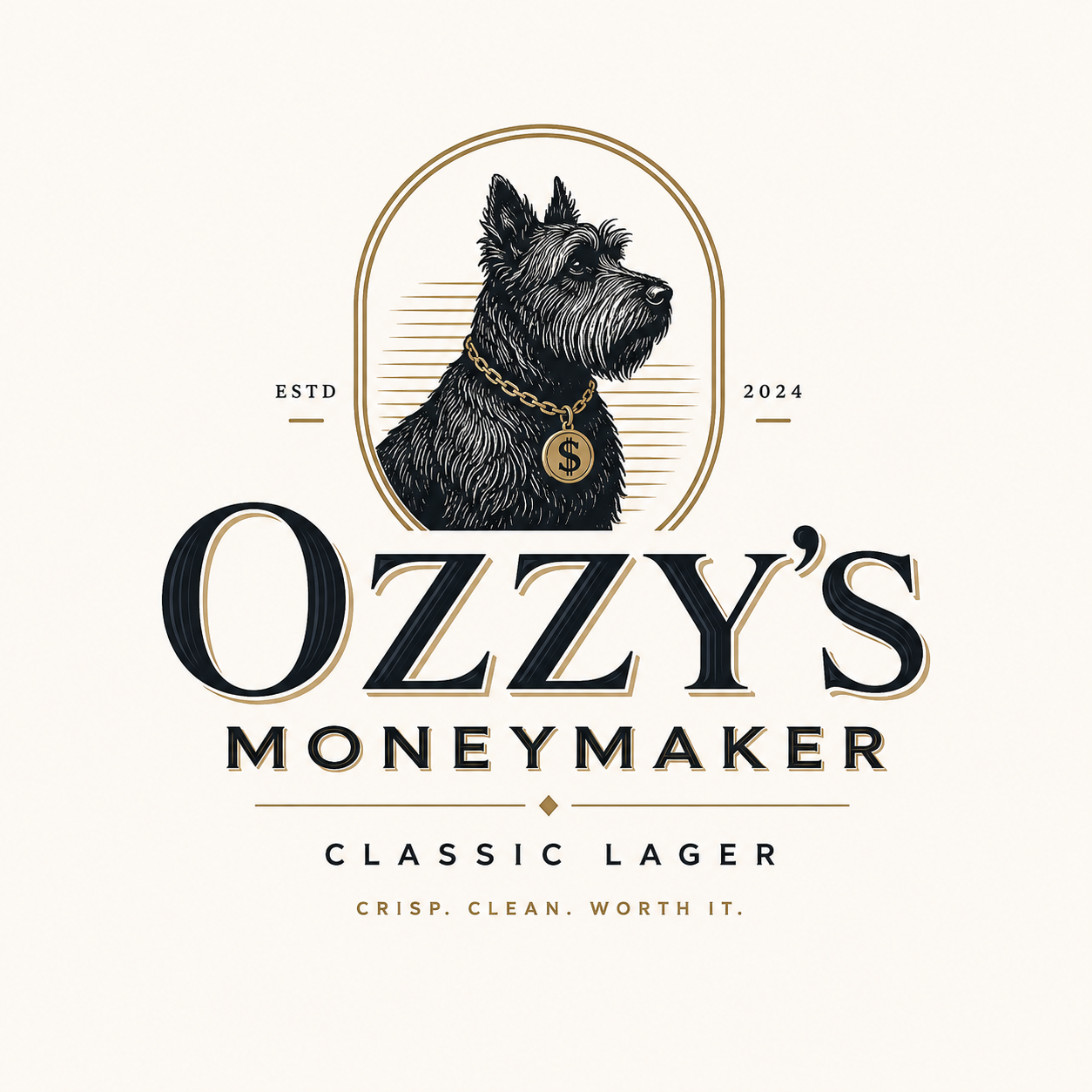
When the first logo was generated for “Ozzy’s Moneymaker Lager”, I was initially concerned because this was a nice logo option, and I did wonder if the “rise of the machines” had replaced me. But, research is not about looking at one data point and making a conclusion.
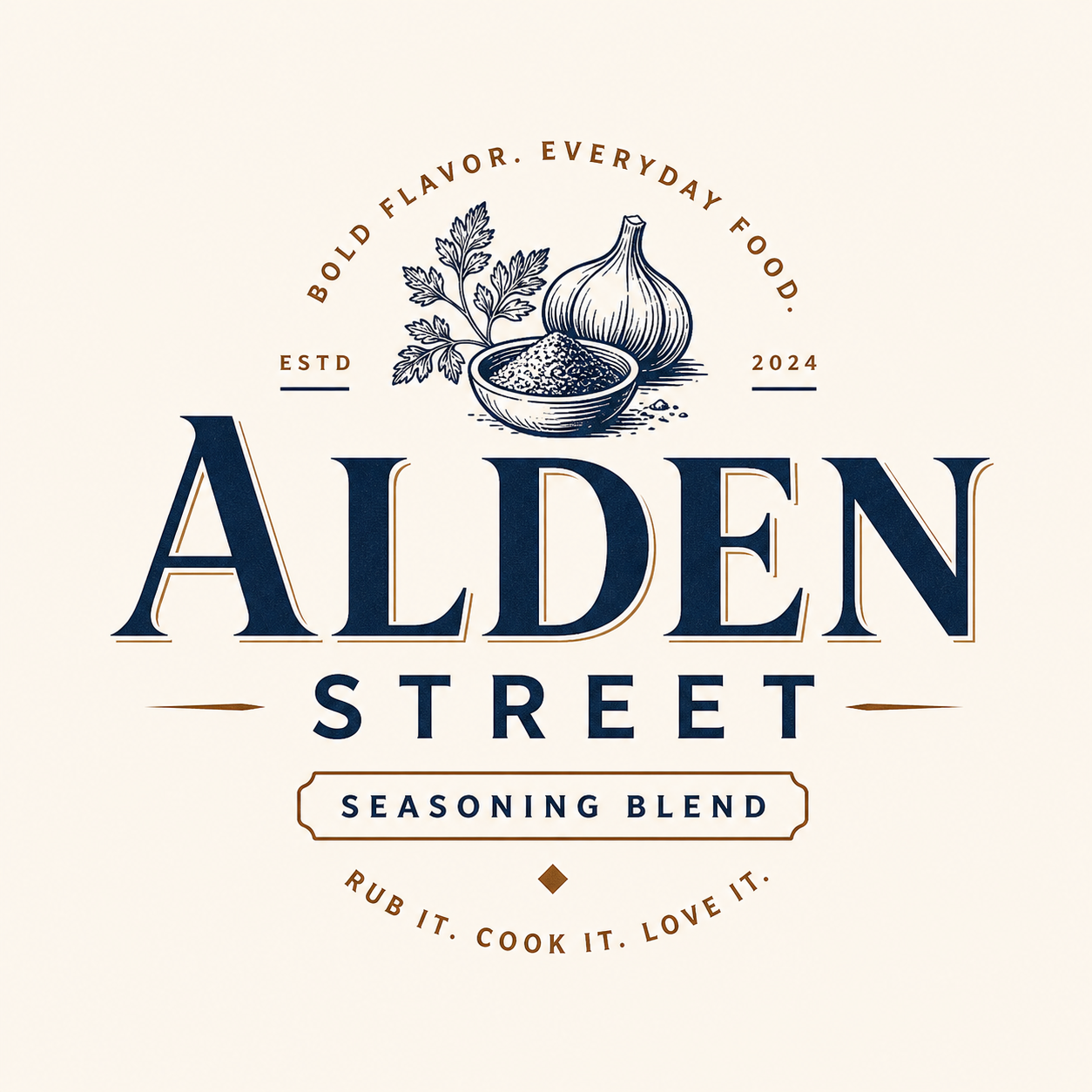
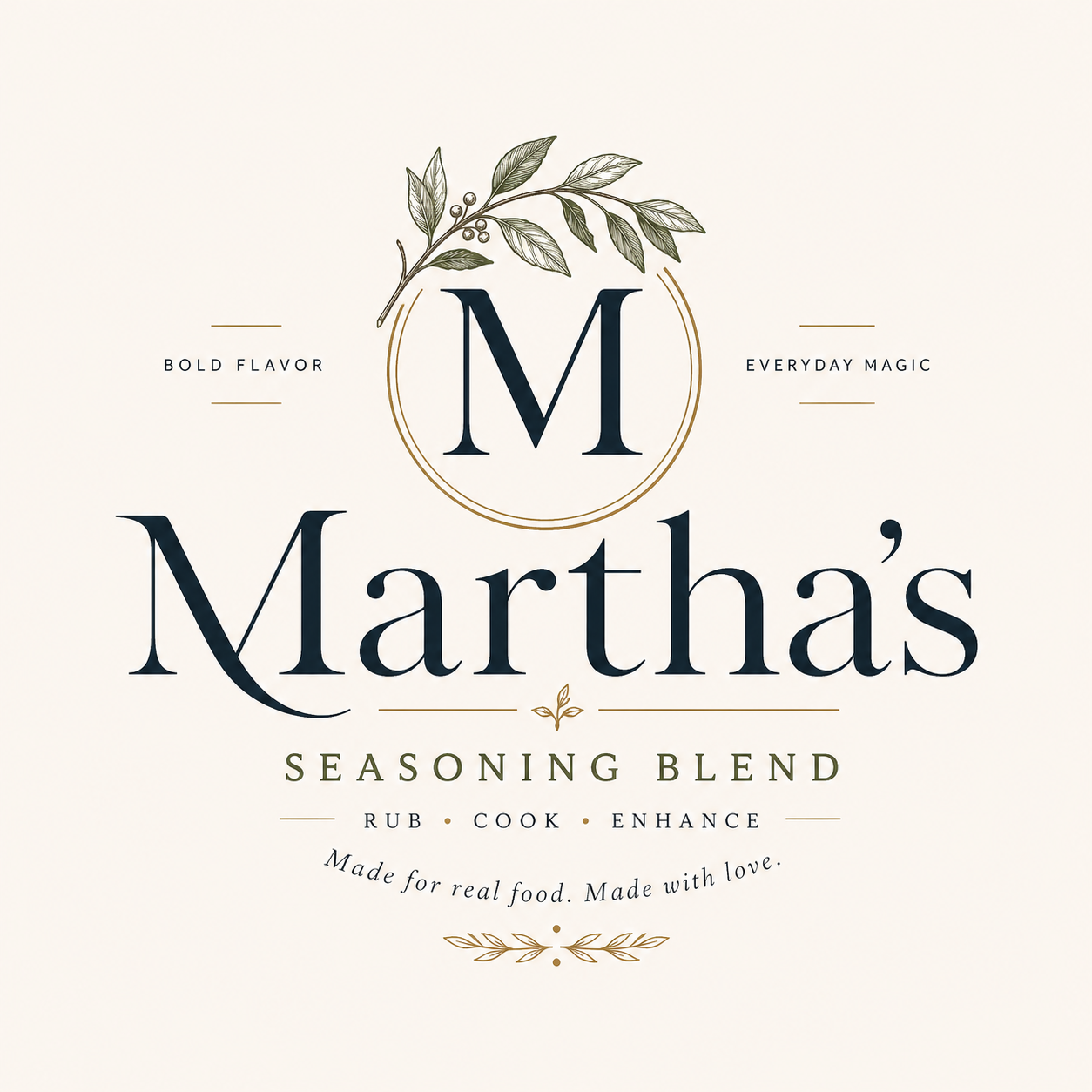
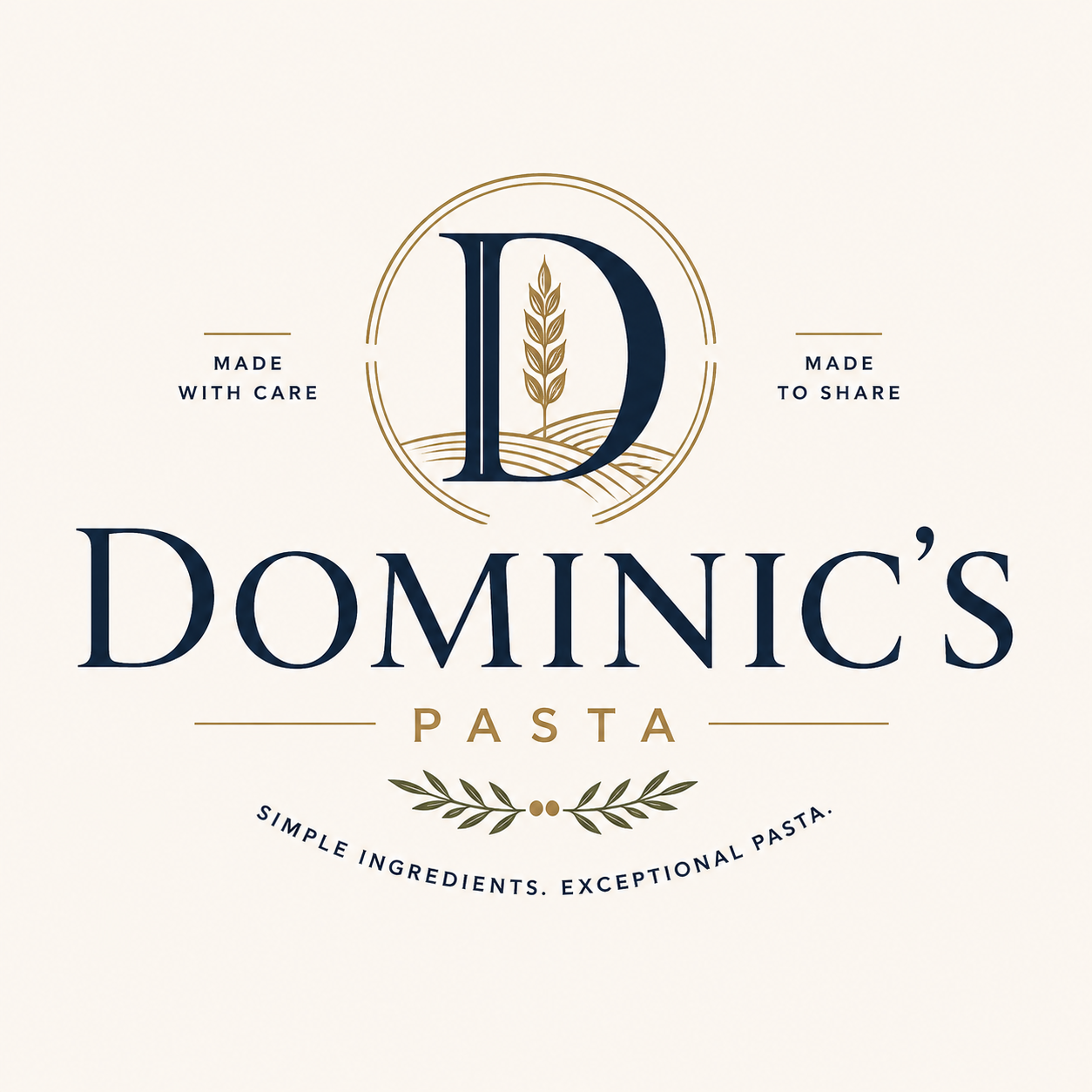
I did three more prompts and when you look at the results you see consistency in the designs.
Consistency in design is great…when it's within a single brand. However, design consistency within a shared market space where you need to differentiate from your competitors…consistency is not great. Especially in the consumer products space.
When your product is on a shelf alongside your competitors, or is in a photo on an ecommerce site, you don't want your products to look like your competitor’s products. You need to differentiate, you want to stand out. Even more, you certainly don't want your customers confusing your products for someone else’s. That’s lost revenue.
AI has its place and it can present ideas and maybe even a jumping off point, but it doesn't replace designers for a myriad of reasons. Here are just two of them:
The technicality of it all — the logos generated by ChatGPT, Gemini, Claude, and others are JPG files, and not scalable
Any logo should have a vector-based version, allowing for unlimited scalability
These JPGs are not editable — the text, images, and everything else within these images is a single unit that can’t be changed
These files are in the RGB color space which works for digital media, but not print and other applications — your designer, marketing people, printers, web developers, and more will need various sizes, formats, and color spaces for your logos and having 208 versions of your logo — all correct — isn’t unusual because each one has a best-practice application
The Human element — even with the most aggressive algorithm suggesting what you should try-or-buy, humans still make the final purchasing decisions, and your brand should be designed with that in mind
Below are the prompts and the created logos. Again, the designs are nice, but would they work on the store and ecommerce shelves? What do you think?